

Choosing Your Timeframe: 15-Minute vs. 30-Minute Charts
Learn what is a timeframe and compare the 15-minute and 30-minute charts to find the best strategy for your lifestyle and maximize your trading profits.
Key takeaway
Choosing the right timeframe to match your strategy and lifestyle is the ultimate key to trading efficiency and stress reduction. A 15-minute timeframe caters to those focusing on quick turnovers and entering at the very start of a price move, while a 30-minute timeframe helps filter out market noise to reveal a clearer price direction. However, traders should always prioritize multi-timeframe analysis alongside financial cost management to prevent overtrading and ensure sustainable growth.
In the world of financial asset trading, whether dealing with Crypto, Bitcoin, or stocks. The ultimate dilemma for beginners is identifying what is a timeframe that best suits their strategy. Some find themselves glued to charts moving too fast, which leads to accumulated stress, while others choose periods that are too long, which results in potential profits turning into losses.
This article will guide you through the structural timeframe meaning from the basics to a deep dive into the differences between the 15-minute and 30-minute intervals. These are the primary periods favored by professionals, and understanding them will help you choose the tools that accurately match your trading style.
What is a timeframe? Essential Knowledge for Trading
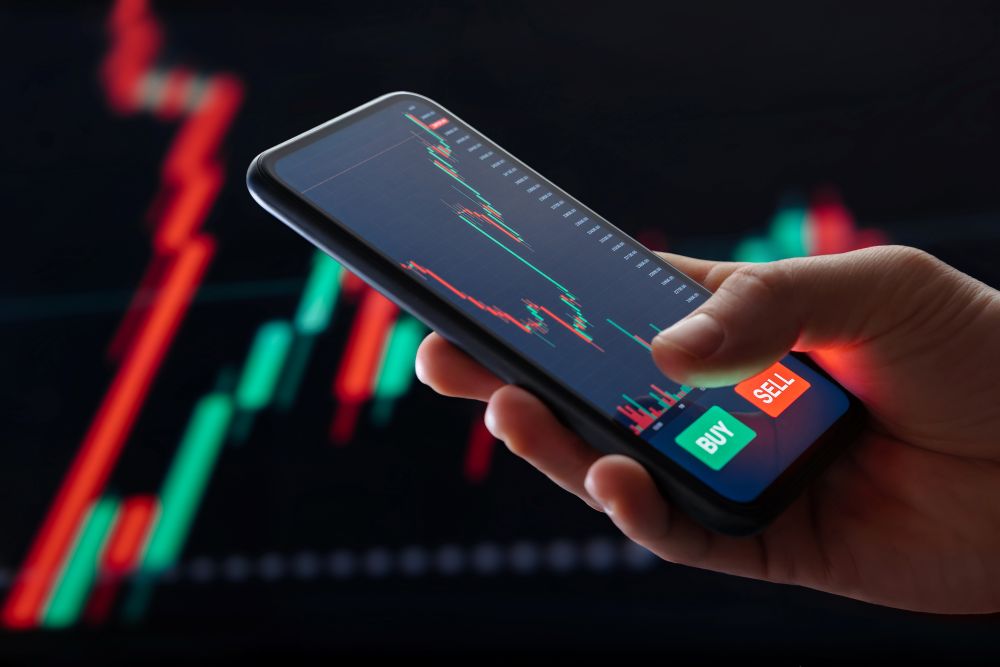
A timeframe (TF) is a set period used to collect and summarize trading behavior into a statistical data point known as a "Candlestick." Each individual candle consists of four critical pieces of information:
- Open: The price at the very first second the period begins.
- High: The highest price reached within that duration.
- Low: The lowest price hit during that period.
- Close: The price at the final second before the period end
The Mechanics of How Timeframes Work
If you select a 15-minute timeframe, the system records every transaction occurring from minute 0 to minute 15, which then summarizes the results into a single candle. Once minute 16 begins, the system immediately starts recording new data to create the next candle. Therefore, choosing a timeframe is much like choosing "camera resolution" which is the smaller the number, the more granular and rapid the price movements you will see.
Deep Dive into the 15-Minute Timeframe (TF15)
The 15-minute timeframe is a popular choice for traders focusing on short-term profit strategies. It allows them to secure entries right as the price begins to shift (the "source" price), which maximizes profit potential. The primary advantages include:
Spotting Trend Reversals Rapidly
Because candles wrap up every 15 minutes, you can detect signals where the price shifts from a downtrend to an uptrend or breaks through resistance much faster than on an hourly chart. This allows for immediate entry decisions as soon as the trend changes, which secures a better cost advantage.
Precise and Fast Risk Management
High chart resolution allows you to see the "Stop Loss" point more clearly, which is often much closer to your entry price. This helps preserve your capital more effectively because if the market moves against you, your losses remain minimal and you can exit in time to limit further risk.
Ideal for Day Trading Strategies
This is perfect for those who have time to monitor charts and want to collect profits in cycles within a few hours. 15-minute chart trading provides numerous opportunities throughout the day, which suits traders who prefer quick results and avoid holding assets overnight
Deep Dive into the 30-Minute Timeframe (TF30)
Conversely, the 30-minute timeframe is often the go-to for traders who want to reduce price volatility to see the market direction more clearly. It offers several features that make trading easier:
Reducing Fake Signals (Noise)
A 30-minute chart analysis helps filter out "noise" or random price swings that lack direction in the very short term. This makes the data more stable, which means each candle reflects the true market sentiment better than shorter intervals.
Lowering Psychological Pressure
Having more time to consider the chart every half-hour allows for calmer analysis and more composed decision-making. This reduces panic or emotional trading, which often happens when staring at charts that move too fast to process.
The Perfect Balance for Beginners
This period is highly popular because it hits the "sweet spot" which is not so slow that you miss major profit opportunities, yet not so fast that you cannot manage risk in time. This helps beginners plan their trades and control risk with much greater efficiency.
Comparison: 15-Minute vs. 30-Minute Timeframe; Which Should You Choose?
To help investors choose the timeframe that aligns best with their investment strategy, the table below summarizes the key differences:
Precautions When Selecting a Timeframe
While choosing a period seems technical, there are practical factors you must consider to ensure your investment remains effective:
Assessing Your Lifestyle
If you have daily responsibilities to manage, trading on a 15-minute chart might create excessive pressure. Moving to a 30-minute chart will help you maintain a better balance between your professional work and your investments.
Considering Financial Costs
Trading in shorter units often comes with higher frequency, which translates to increased transaction fees. If the profit per cycle does not cover these costs, it could negatively impact your overall net profit.
Avoiding Overtrading
The frequency of short-term candles often triggers a constant urge to enter trades. Making decisions without a clear plan or accurate signals is the most common reason why investment portfolios suffer damage.
Trade Precisely on Every Timeframe with Maxbit
Whether you choose a 15-minute chart to enter the market promptly at the source, or a 30-minute chart to focus on clear price direction and lower volatility, the key to success is using a stable platform with comprehensive tools.
At Maxbit, we designed our system to support every trader's strategy, featuring:
- International-Standard Analysis Charts: These help you detect price reversals accurately regardless of the timeframe you analyze.
- Rapid Order Execution: This supports high-frequency trading in small timeframes, which ensures every order flows smoothly even during periods of extreme market volatility.
- Certified Security: We strive to be a leading cryptocurrency platform under SEC supervision, backed by a registered capital of over 500 million THB.
Start your investment journey today. Download the Maxbit app at:
Consider exploring grid trading in cryptocurrency on our platform to automate your strategy across these timeframes.
Frequently Asked Questions about Timeframe Trading (FAQs)
Q: Which 15-minute chart trading strategy can help increase accuracy?
A: The recommended technique is Multi-Timeframe Analysis. Check the main trend on a 1-hour chart first; if the direction is clearly bullish, then use the 15-minute chart to find an entry. This ensures you trade in the same direction as the larger market, which significantly reduces the chance of poor timing.
Q: Does switching to a larger timeframe actually reduce risk during market volatility?
A: Yes, because moving from a 15-minute to a 30-minute or 1-hour chart filters out "noise" where prices swing aimlessly. This allows you to see the actual trend, which prevents mistakes driven by panic when prices are moving rapidly.
Q: Does short-term trading require more capital than usual?
A: Not necessarily, but you must calculate the cost-effectiveness carefully. Since the profit margin per round is narrow, small capital might not cover the frequent trading fees. Traders in this category must focus on the discipline of collecting small profits frequently to build a larger sum instead.
Q: Which timeframe is best for someone with a full-time job and no time to watch charts?
A: If you cannot monitor the screen constantly, it is best to avoid 15-minute charts. Instead, move to 1-hour or 4-hour timeframes. Since candles take longer to complete, you won't have to worry about short-term fluctuations, which allows you to perform a 30-minute chart analysis or review your strategy just a few times a day without ruining your plan.
Cryptocurrency Knowledge



Cryptocurrency Knowledge
Download the application Maxbit is available at


Securely register with a digital asset trading platform regulated by Thailand’s SEC.


Maxbit Digital Asset Co., Ltd., 90 CW Tower, 31st Floor, Room A3101-02, Ratchadaphisek Road, Huai Khwang Subdistrict, Huai Khwang District, Bangkok 10310, Thailand.
©2025 Maxbit. All Rights Reserved.


