

Altcoin 2026 Market Update and Portfolio Tips for Traders
Are altcoins still worth buying in 2026? Explore the altcoin 2026 market outlook, key trends from 2024 to 2026, and portfolio allocation tips for traders.
Key takeaway
Altcoin in 2026 remains one of the crypto assets with the potential to generate returns. However, the market landscape has shifted from broad-based rallies to more selective growth among specific projects. Investors should therefore focus on analyzing coin fundamentals, such as real-world use cases, tokenomics, development teams, and industry trends, including RWA, AI, and Layer 2. Portfolio allocation also plays an important role. Investors should first define the overall crypto allocation in their portfolio, then divide it between major coins and altcoins based on their risk tolerance. This approach can provide a clearer framework for altcoin investing and help reduce decisions driven purely by market hype.
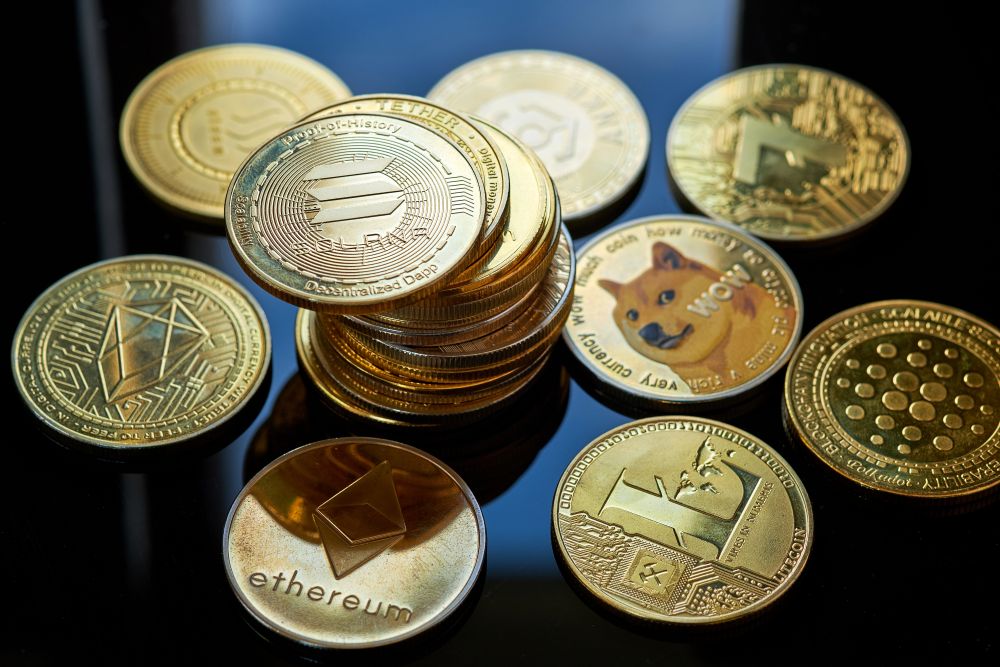
Over the past few years, the word “Altcoin” has created both hope and hesitation for crypto investors. Some investors have seen their portfolios grow many times over in a short period, while others have faced volatility so intense that they had to rethink their entire investment plan.
As we move into 2026, however, the market landscape is no longer the same. Altcoin 2026 is now discussed in a much deeper context. Instead of being seen only as coins other than Bitcoin, altcoins are now evaluated based on project fundamentals, real-world use cases, and business models. As a result, many Thai investors are asking more seriously: are altcoins still worth buying in 2026? And if they are, how should investors allocate their portfolios without taking on too much risk?
What Is an Altcoin?
Altcoin, or Alternative Coin, refers to every crypto coin that is not bitcoin. In simple terms, because Bitcoin was the first coin in the cryptocurrency world, all other coins that were created afterward are collectively called Altcoins.
Examples of well-known altcoins include Ethereum (ETH), Solana (SOL), XRP, Sui (SUI), as well as coins in other categories such as:
- Meme coin: a type of digital currency created based on internet trends.
- DeFi token: a digital asset built on blockchain technology for use in decentralized finance systems.
- Infrastructure token: a digital token for investment that is linked to revenue streams from infrastructure projects.
- Governance token: a digital token that gives holders voting rights to help decide the direction of a blockchain project.
Each altcoin is usually designed to solve a specific problem or improve blockchain capabilities, such as faster transactions, lower gas fees, or the ability to build applications on blockchain networks.
In the early days, altcoins were often seen as secondary coins in the market. Over time, however, many projects began developing their own ecosystems. As a result, altcoin 2026 has become an important part of the cryptocurrency industry, especially for investors searching for altcoins to invest in 2026 with stronger fundamentals.
Overview of the Altcoin Market from 2024 to 2026
Looking back at the history of the crypto market, 2021 was a period when many altcoins rose sharply at the same time. This period is often referred to as altcoin season.
However, from 2024 to 2026, that picture began to change. The market no longer saw altcoins rising across the board at the same time. Many coins experienced deep corrections. Some dropped more than 80 to 90% from their all time highs, while some projects were unable to recover. At the same time, the market started to see stronger growth in certain standout sectors in 2026, such as:
- RWA, or Real World Asset, projects that connect real-world assets such as bonds, real estate, or financial assets with blockchain technology.
- AI and Data Infrastructure, where the rise of AI has made projects related to data, processing, and AI networks more widely discussed.
- Layer 2 networks, which help expand network capacity, along with technologies that improve the efficiency of major networks such as Ethereum so they can support more transactions at lower costs.
Because of this, the altcoin 2026 market has become more concentrated in terms of returns. This means that certain groups of coins may grow significantly, while many others may not move in line with the broader market.
For investors asking are altcoins still worth buying in 2026?, the answer depends heavily on selection. The market for altcoins to invest in 2026 is less about buying every coin and more about identifying projects with strong use cases, clear demand, and long-term relevance.
So, Are Altcoins a Good Investment in 2026?
The question many investors want to know most is: are altcoins still worth buying in 2026? Some analysts believe that a new altcoin season could happen if global financial liquidity begins to increase, such as when central banks in several countries start easing monetary policy.
In this context, altcoin 2026 may benefit from new capital entering the market, continued blockchain technology development, and real-world adoption of certain projects.
However, many analysts also believe that the next cycle may not look like previous cycles. Instead of the entire market rising together, it may become what is known as a “Selective Rally.” This means prices may rise only for projects with real quality, such as projects that:
- Have real users on the network.
- Have clear revenue or business models.
- Are accepted by institutions or organizations.
Therefore, if we summarize the question, are altcoins still worth buying in 2026?, the answer is that opportunities still exist. However, these opportunities require careful selection. It is not the same as buying many coins across the board like in previous bull markets.
For anyone researching altcoins to invest in 2026, the key is to look beyond popularity. A strong altcoin 2026 strategy should focus on project fundamentals, tokenomics, real adoption, regulatory risks, and price history before making any decision.
How Much of Your Portfolio Should Be Allocated to Altcoins?*
Another equally important question is how much of a portfolio should be allocated to altcoins. Before answering this, investors should first look at the bigger picture of their overall investment portfolio.
Total Crypto Allocation in Your Portfolio
Many portfolio analysts believe that cryptocurrency should be only one part of an overall investment portfolio. Common examples of portfolio allocation concepts include:
- Conservative investors: around 5 to 10% of the total portfolio in crypto*
- Investors with a higher risk tolerance: around 10 to 20% of the total portfolio*
For investors considering altcoin 2026, this overall crypto allocation matters because altcoins can be much more volatile than Bitcoin. Even when there are attractive altcoins to invest in 2026, portfolio size and risk control should come first.
Altcoin Allocation Within Your Crypto Portfolio
Once the total crypto allocation has been determined, the next step is to divide that allocation between Bitcoin and altcoins as follows:
- For beginners who prioritize stability: Bitcoin or major coins may account for 70 to 90% of the crypto portfolio, while altcoins may account for 10 to 30%. This approach can help reduce portfolio volatility because Bitcoin is generally more stable than altcoins.
- For active investors with higher risk tolerance: Investors who closely follow the market may choose a portfolio structure where Bitcoin or Ethereum accounts for 40 to 60%, while Altcoins account for another 40 to 60%. Within the altcoin portion, investors may further divide it into:
- Core Altcoin: coins with strong fundamentals.
- High risk Altcoin: such as Meme coins or small cap coins.
The higher the altcoin allocation, the higher the portfolio volatility will likely become.
*Note: The figures above are examples of allocation concepts only. They are not fixed formulas.
Building an Altcoin Portfolio in 2026: Balancing Opportunity and Risk
Allocating an altcoin portfolio should start with the big picture of the overall investment portfolio. Major coins can serve as the core, while altcoins can be used to increase growth potential. However, altcoin allocation should not become so large that it affects the stability of the total portfolio.
A clear analysis framework can help reduce the risk of making decisions based on market hype. Investors should consider fundamentals, tokenomics, regulation, and price statistics when evaluating altcoin 2026 opportunities. This is especially important when comparing altcoins to invest in 2026, since not every project will benefit equally from the next market cycle.
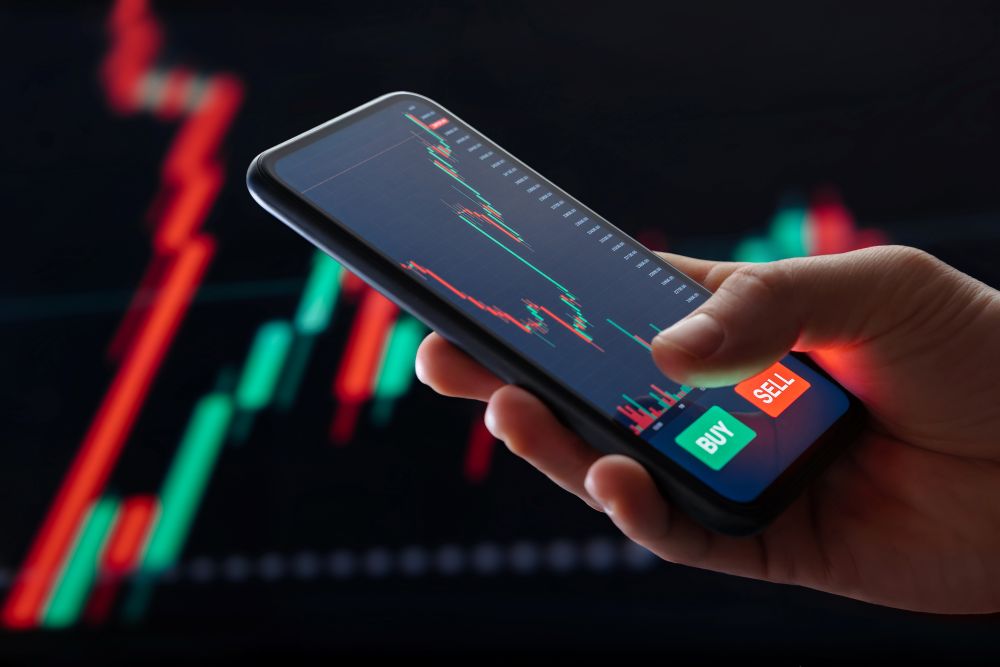
Another factor that should not be overlooked is the trading platform. Beyond the coins themselves, security, system quality, and trading costs can also affect long-term results. Choosing a crypto trading app in Thailand with low fees, regulatory oversight by the Thai SEC, and complete coin information can help make portfolio management easier and more transparent.
For investors in Thailand looking for a local platform, Maxbit is another option for buying and selling cryptocurrency on both PC and mobile. The platform provides market capitalization data, trading volume, and key digital asset details that can support basic analysis. Download the Maxbit application today on the App Store and Google Play Store.
References:
- Altcoin Season ยังไม่ตาย! กูรูเผยไทม์ไลน์ใหม่ จ่อพุ่งจริงปี 2026. Retrieved on 10 March 2026 from https://today.line.me/th/v3/article/KwzjPO0.
- Crypto 2026: Bull Run หรือ Bear Market ? เจาะลึกปัจจัยชี้ขาด เมื่อทุกอย่างกำลังรีเซตโฉมใหม่. Retrieved on 10 March 2026 from https://today.line.me/th/v3/article/GgmwKjP.
Frequently Asked Question About Altcoin 2026 (FAQs)
Q: What are safest altcoins to buy in 2026?
A: In 2026, many analysts tend to discuss altcoins by “technology sector” rather than pointing to specific coins. Examples include Layer 1 projects, which serve as core blockchain networks, RWA projects, which connect real-world assets with blockchain technology, and AI Infrastructure projects, which are related to data processing and AI systems.
However, examples of coins that are frequently discussed in the market include Solana (SOL), Sui (SUI), and XRP. That said, any investment decision should always be based on further research into each project’s fundamentals.
Q: What are the risks of holding altcoins long term?
A: Altcoins are generally more volatile than major coins, and some projects may fail to develop as planned or lose market popularity over time. There are also regulatory risks, tokenomics related risks such as large token unlocks, and competition from new projects. Therefore, regularly monitoring project updates and the overall market landscape is important for long-term altcoin holders.
Q: What information should investors track before choosing an altcoin?
A: Before considering an altcoin, investors often track several key factors, such as market capitalization, daily trading volume, circulating supply, and the project’s development roadmap. It is also worth reviewing the number of users on the network, business partnerships, and technology updates from the project. These insights can help investors assess a coin’s potential more comprehensively and reduce the chance of making decisions based on market hype alone.
Cryptocurrency Knowledge

Cryptocurrency Knowledge
Download the application Maxbit is available at


Securely register with a digital asset trading platform regulated by Thailand’s SEC.


Maxbit Digital Asset Co., Ltd., 90 CW Tower, 31st Floor, Room A3101-02, Ratchadaphisek Road, Huai Khwang Subdistrict, Huai Khwang District, Bangkok 10310, Thailand.
©2025 Maxbit. All Rights Reserved.


